Does Your Browse Engine Ranker Setup Need Upgrading?

Competitive Analysis Strategies in 2026 Search Environments
The current year 2026 sees a shift in how search specialists approach rival information. Automated tools that were once seen only as link-generation engines have transitioned into sophisticated diagnostic instruments. GSA Online Search Engine Ranker (SER) stands apart in this 2026 environment as a primary technique for mapping the protective and offending positions of competing domains. By observing how rivals respond to automated link signals, companies can identify the specific limits of contemporary algorithms without risking their main assets.Analyzing the competition needs more than simply looking at their top-level metrics. It involves a deep take a look at the frequency and variety of their backlink acquisition. In 2026, search engines focus on the speed of link growth and the variety of the referring platforms. Utilizing automatic software application to mirror specific competitor patterns on test domains allows scientists to see which links are presently passing authority and which are being overlooked by AI filters.
Mapping Rival Footprints in the local market

Businesses operating within the local market often face various algorithmic sensitivities than those in nationwide markets. A technique that works for a worldwide brand name may fail in the regional area since of regional search intent filters. GSA SER assists determine these regional patterns by scraping countless validated targets to see which platforms are hosting the most successful local competitors.Identifying the specific software footprints of rival sites provides a blueprint for what the local search algorithm presently accepts. If three out of the five top-level sites in the local area have a high percentage of niche-relevant forum links or wiki points out, it suggests a particular pattern that the local filter rewards. Data collection in 2026 has to do with discovering these abnormalities. High interest in Asia Virtual Solutions Local has actually led lots of to use these automated insights to change their outreach strategies.
Penetrating Algorithmic Thresholds and Level Of Sensitivity
Online search engine in 2026 have actually ended up being extremely conscious unexpected spikes in specific kinds of anchor text. By utilizing GSA SER to run controlled experiments, researchers can find the "breaking point" for particular niches. This involves establishing burner sites to evaluate how much automatic volume a particular keyword can manage before the site is suppressed. Understanding these limitations allows for more aggressive yet safe management of a main domain.This probing method reveals the strength of the competitors. If a competitor is keeping a leading position regardless of an enormous increase of lower-quality automated links, it indicates they have an extremely high level of standard authority or a "trust" signal that secures them. Mapping this security helps identify the spending plan and time required to displace them.
Content Velocity and Indexing Criteria

The speed at which online search engine index brand-new content has increased substantially by 2026. Rivals are typically using automated tools to guarantee their brand-new pages are crawled and indexed within minutes. GSA SER data helps track this speed. By monitoring the time between a rival's link appearing on a public platform and that link appearing in search console data, analysts can estimate the crawl spending plan of their rivals.Strategic usage of Asia Virtual Solutions Local within this structure offers a clear photo of which platforms use the fastest indexing. In 2026, the worth of a link is frequently connected to how rapidly it is acknowledged. Automated data exports from GSA SER offer a list of "high-velocity" targets that are currently being prioritized by search crawlers.
Link Diversity and Platform Ratios in 2026
Success in 2026 search sectors depends heavily on the ratio of link types. A profile that consists completely of one kind of link is a red flag for AI-driven detection systems. Competitive analysis includes breaking down the portion of visitor posts, remarks, social bookmarks, and directory listings used by the leaders in the region. GSA SER allows for the simulation of these ratios. By establishing tasks that specifically target the same platform mix as a rival, a company can see if those ratios lead to similar ranking movements. This is a clinical approach to SEO that moves away from uncertainty. Instead of questioning why a rival is winning, the information reveals the precise structure of their backlink profile.
Cost-Efficiency in High-Competition Niches
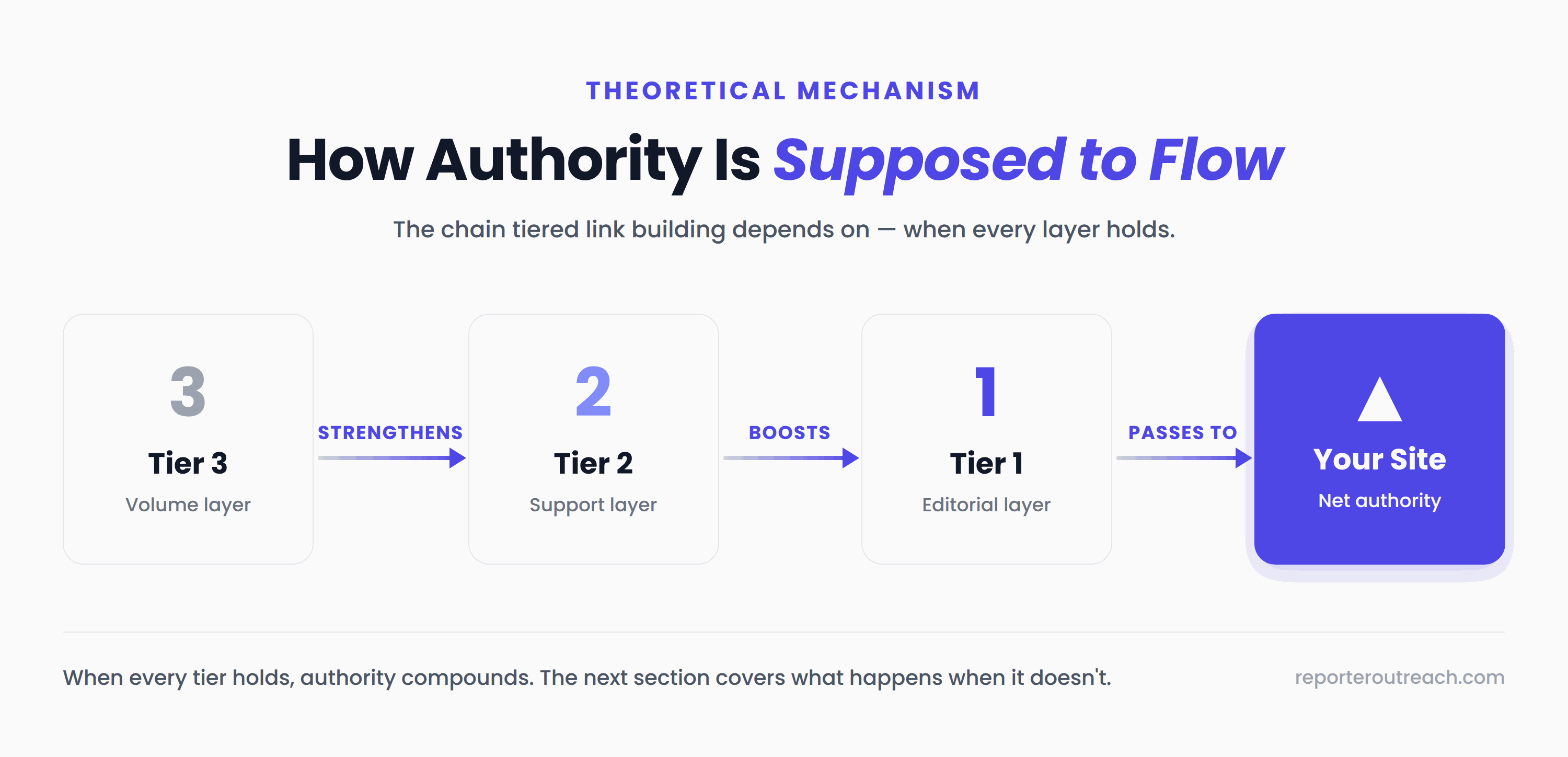
Getting links manually in 2026 is more expensive than ever. High-authority placements can cost countless dollars per link. The information gathered from GSA SER often reveals that competitors are supplementing these expensive links with a foundation of thousands of smaller sized, automated signals. This "tiered" method is a staple of 2026 strategy.Analyzing the cost-per-rank enhancement of a competitor assists in spending plan preparation. If a competitor is using automated search tools to keep their position, they are likely costs far less than a business trying to do everything manually. Understanding this gap is essential for organizations in the surrounding area that require to remain competitive without spending too much on their digital existence.
Information Scraping and Target Recognition
The scraping abilities of GSA SER are perhaps its most underrated function in 2026. The software application can find countless brand-new, appropriate sites every hour. For competitive analysis, this means finding the exact areas where rivals are getting their links before those spots become saturated.Tracking the "first-seen" date of links in a rival's profile permits a service to see where the rival is currently focusing their efforts. If a rival suddenly starts appearing on a new kind of platform, GSA SER can be used to discover all other sites on the internet using that very same software application or footprint. This enables a company to move into those same spaces rapidly, neutralizing the competitor's first-mover advantage.
Danger Management and Negative SEO Awareness
In 2026, being mindful of what an automated tool can do is also a matter of defense. Rivals may use automated tools to try and trigger penalties on other websites. By utilizing GSA SER information to comprehend what a "harmful" link profile looks like in the present month, a company can much better protect itself. Keeping an eye on for sudden increases of links that match understood automatic footprints allows for faster disavowing or counter-measures. Understanding the competitive nature of the present search environment indicates acknowledging that automation is a tool used by both sides. Evaluating the data produced by these tools gives a clear view of the threats and opportunities. In 2026, the goal is not just to construct links, but to use the information created by link-building procedures to make smarter decisions.The focus in 2026 remains on data-backed methods. Utilizing GSA SER for competitive analysis offers a level of information that manual observation can not match. From identifying local footprints in the local market to benchmarking indexing speed, the software provides the raw numbers required to remain ahead. By dealing with the tool as an information probe rather than simply a submission engine, services can browse the intricacies of contemporary search with much greater accuracy.