High-Fidelity Content: The New Standard for Automated Links

Competitive Analysis Strategies in 2026 Search Environments
The present year 2026 sees a shift in how search professionals approach competitor data. Automated tools that were when seen only as link-generation engines have actually transitioned into advanced diagnostic instruments. GSA Browse Engine Ranker (SER) stands out in this 2026 environment as a primary approach for mapping the defensive and offensive positions of rival domains. By observing how competitors react to automated link signals, businesses can determine the particular thresholds of modern algorithms without risking their primary assets.Analyzing the competitors requires more than simply looking at their high-level metrics. It involves a deep take a look at the frequency and range of their backlink acquisition. In 2026, search engines prioritize the speed of link growth and the variety of the referring platforms. Utilizing automated software application to mirror certain competitor patterns on test domains permits scientists to see which links are presently passing authority and which are being disregarded by AI filters.
Mapping Rival Footprints in the local market
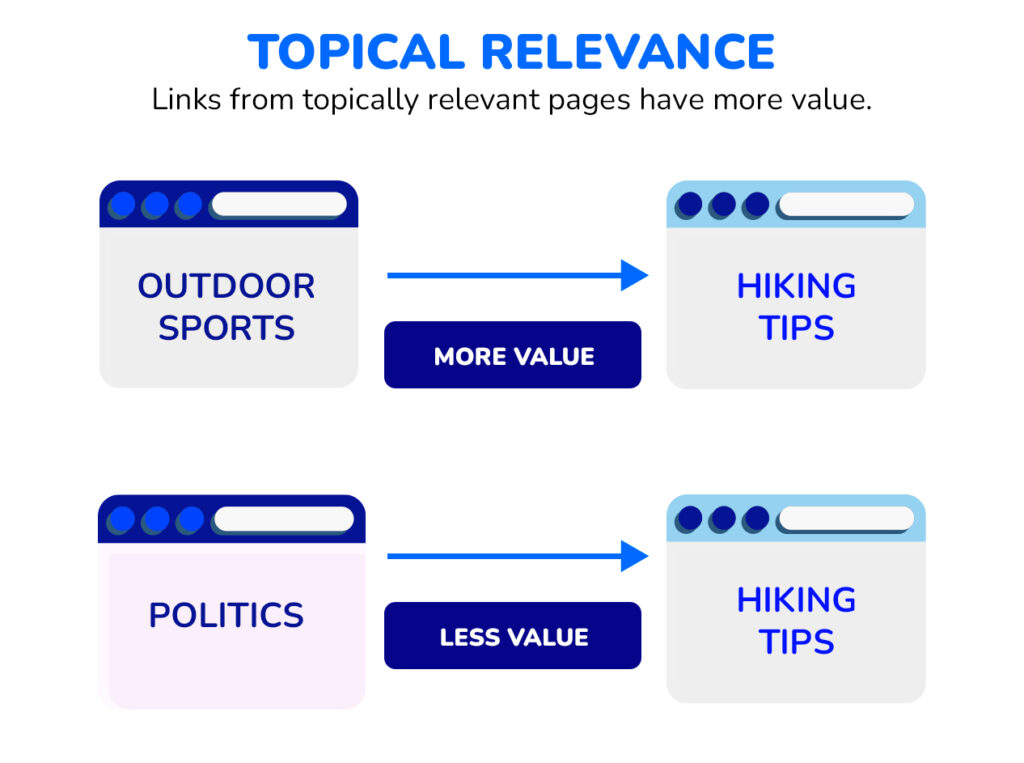
Organizations running within the local market typically deal with various algorithmic sensitivities than those in national markets. A strategy that works for a worldwide brand may stop working in the regional area since of local search intent filters. GSA SER helps recognize these local patterns by scraping countless confirmed targets to see which platforms are hosting the most effective local competitors.Identifying the specific software footprints of rival sites supplies a blueprint for what the local search algorithm currently accepts. If 3 out of the five top-level sites in the local area have a high portion of niche-relevant online forum links or wiki mentions, it recommends a particular pattern that the regional filter benefits. Information collection in 2026 has to do with discovering these anomalies. High interest in GSA SER List Field Notes Notes has led lots of to utilize these automated insights to adjust their outreach techniques.
Penetrating Algorithmic Thresholds and Level Of Sensitivity
Search engines in 2026 have actually become extremely conscious sudden spikes in specific kinds of anchor text. By utilizing GSA SER to run regulated experiments, scientists can find the "breaking point" for particular niches. This includes setting up burner sites to check how much automatic volume a particular keyword can deal with before the site is suppressed. Understanding these limitations permits more aggressive yet safe management of a primary domain.This penetrating technique exposes the strength of the competition. If a rival is maintaining a top position despite an enormous influx of lower-quality automated links, it indicates they have an extremely high level of baseline authority or a "trust" signal that safeguards them. Mapping this defense helps determine the budget and time needed to displace them.
Material Velocity and Indexing Criteria
The speed at which online search engine index new content has actually increased considerably by 2026. Competitors are frequently utilizing automated tools to ensure their new pages are crawled and indexed within minutes. GSA SER information assists track this speed. By keeping an eye on the time in between a competitor's link appearing on a public platform and that link appearing in search console data, experts can estimate the crawl spending plan of their rivals.Strategic usage of GSA SER List Field Notes Notes within this structure provides a clear image of which platforms provide the fastest indexing. In 2026, the value of a link is typically connected to how rapidly it is recognized. Automated data exports from GSA SER supply a list of "high-velocity" targets that are currently being focused on by search spiders.
Link Variety and Platform Ratios in 2026
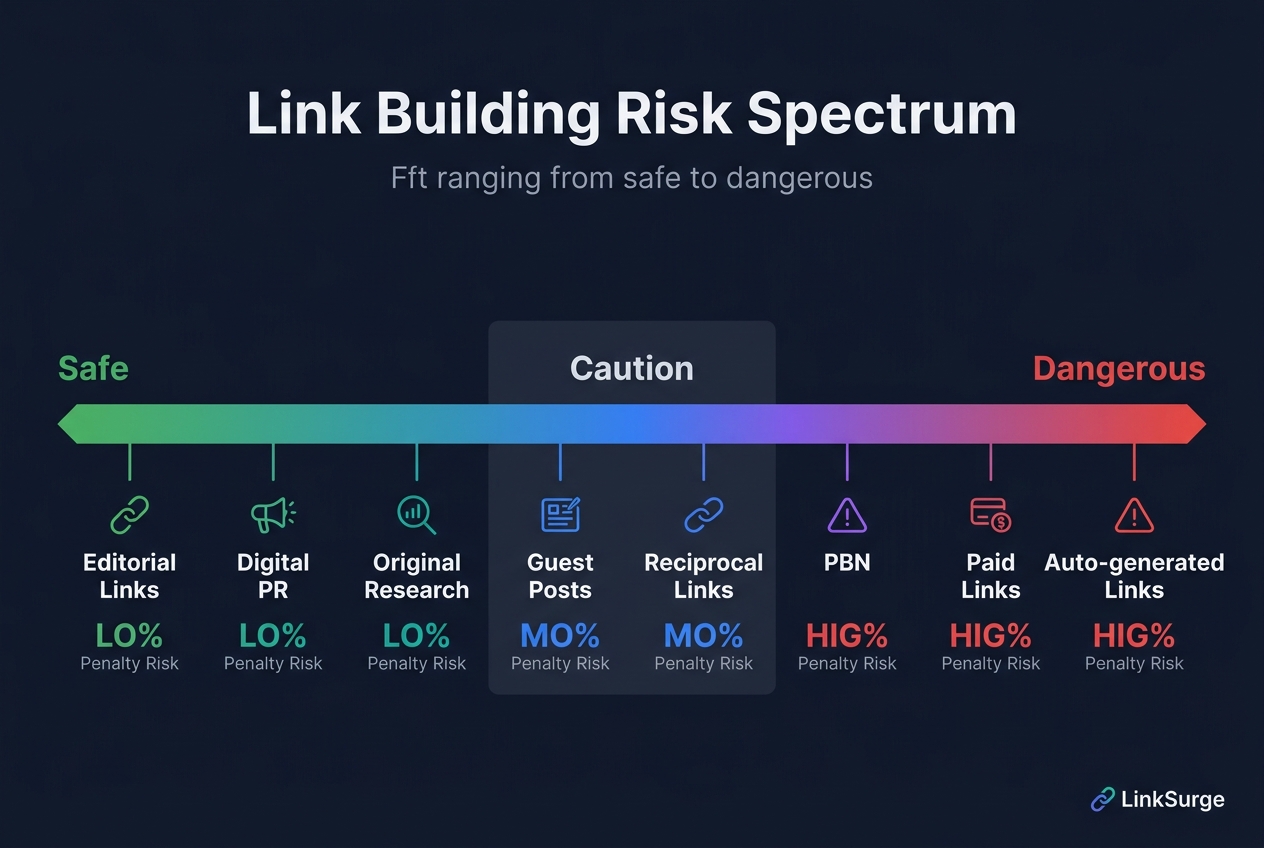
Success in 2026 search sectors depends greatly on the ratio of link types. A profile that consists completely of one kind of link is a warning for AI-driven detection systems. Competitive analysis includes breaking down the percentage of guest posts, comments, social bookmarks, and directory listings utilized by the leaders in the region. GSA SER enables for the simulation of these ratios. By establishing tasks that specifically target the exact same platform mix as a rival, a company can see if those ratios lead to similar ranking motions. This is a clinical technique to SEO that moves away from guesswork. Rather of wondering why a competitor is winning, the data reveals the specific composition of their backlink profile.
Cost-Efficiency in High-Competition Niches
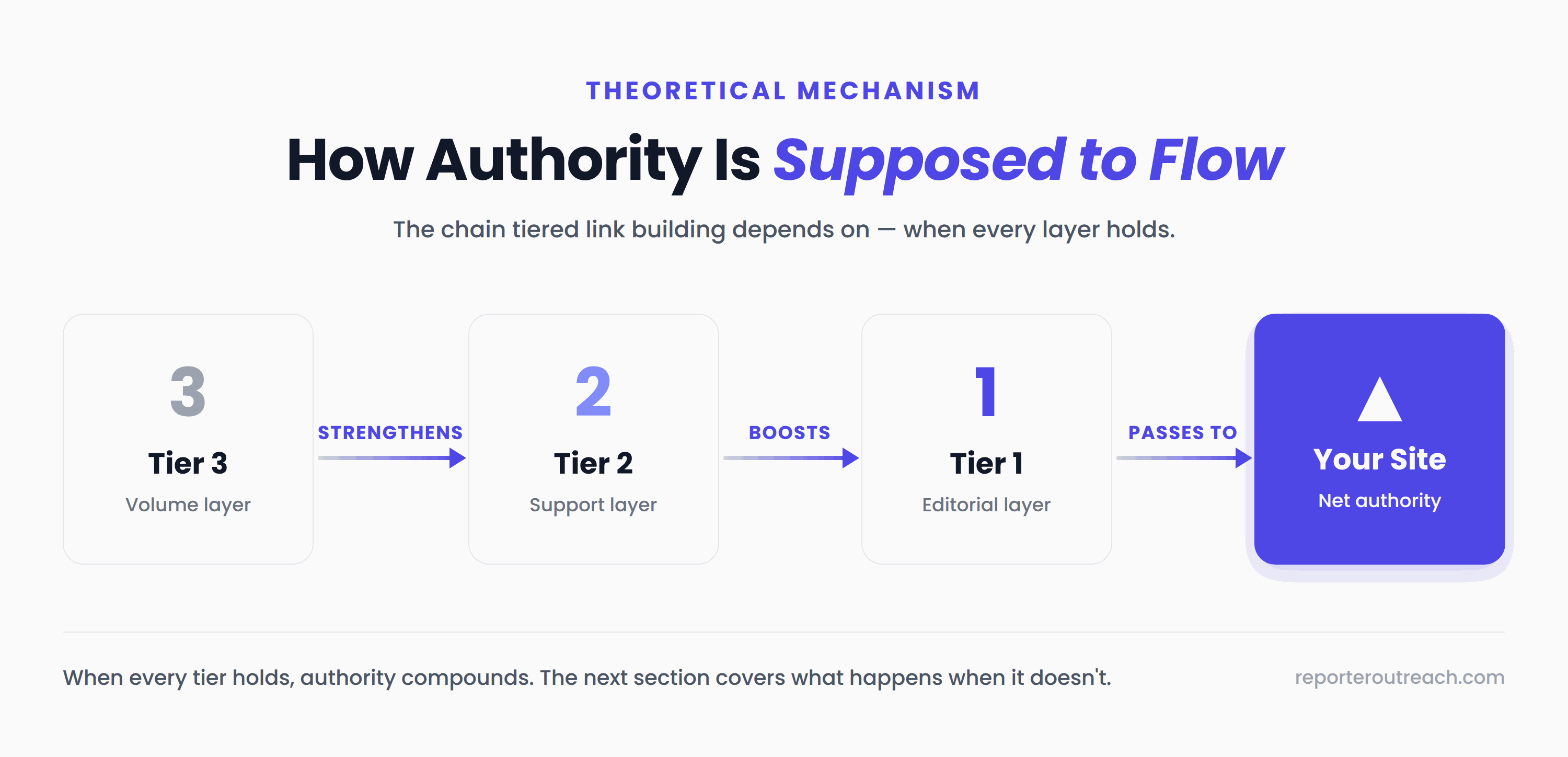
Acquiring links by hand in 2026 is more costly than ever. High-authority positionings can cost thousands of dollars per link. The information gathered from GSA SER often reveals that rivals are supplementing these expensive links with a foundation of thousands of smaller sized, automated signals. This "tiered" method is a staple of 2026 strategy.Analyzing the cost-per-rank improvement of a rival assists in budget planning. If a rival is utilizing automated search tools to preserve their position, they are likely costs far less than a company trying to do everything by hand. Comprehending this space is important for businesses in the surrounding area that need to remain competitive without spending beyond your means on their digital presence.
Information Scraping and Target Identification
The scraping abilities of GSA SER are possibly its most underrated function in 2026. The software can find thousands of brand-new, pertinent sites every hour. For competitive analysis, this indicates discovering the exact areas where rivals are getting their links before those areas end up being saturated.Tracking the "first-seen" date of links in a competitor's profile permits a company to see where the competitor is currently focusing their efforts. If a rival all of a sudden begins appearing on a brand-new type of platform, GSA SER can be used to discover all other sites on the web utilizing that very same software application or footprint. This enables a company to move into those very same spaces rapidly, reducing the effects of the competitor's first-mover advantage.
Risk Management and Unfavorable SEO Awareness
In 2026, knowing what an automatic tool can do is also a matter of defense. Rivals may utilize automated tools to try and trigger penalties on other sites. By utilizing GSA SER data to comprehend what a "toxic" link profile looks like in the existing month, a service can much better safeguard itself. Keeping an eye on for abrupt influxes of links that match known automatic footprints permits faster disavowing or counter-measures. Comprehending the competitive nature of the present search environment implies acknowledging that automation is a tool utilized by both sides. Evaluating the data produced by these tools gives a clear view of the dangers and opportunities. In 2026, the objective is not just to build links, however to use the information produced by link-building processes to make smarter decisions.The focus in 2026 remains on data-backed techniques. Using GSA SER for competitive analysis offers a level of detail that manual observation can not match. From identifying regional footprints in the local market to benchmarking indexing speed, the software application supplies the raw numbers needed to stay ahead. By treating the tool as an information probe rather than simply a submission engine, companies can navigate the complexities of modern search with much higher accuracy.