How to Maintain Relevance throughout Countless Backlinks

Strategic Approaches to Search Engine Ranker in 2026

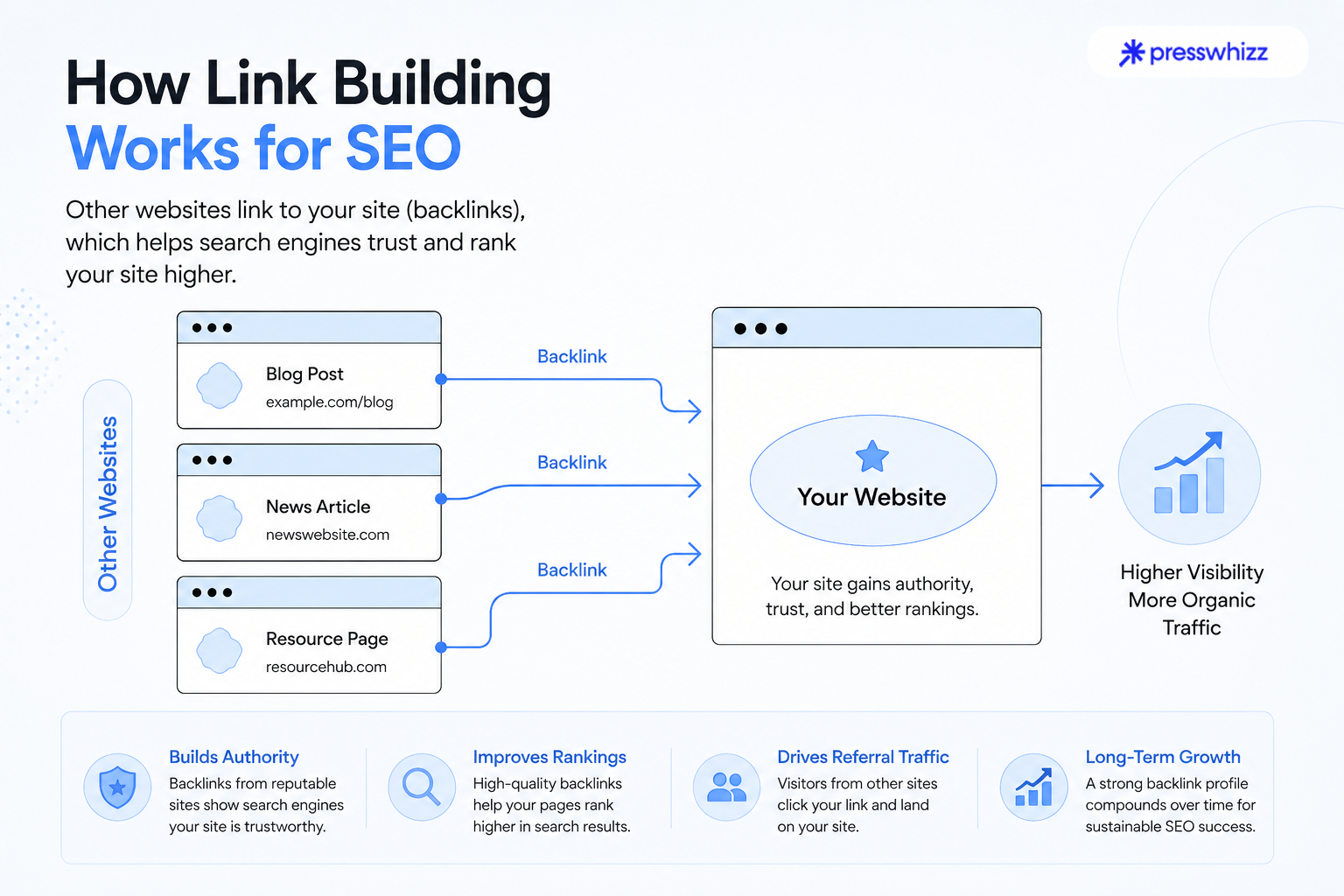
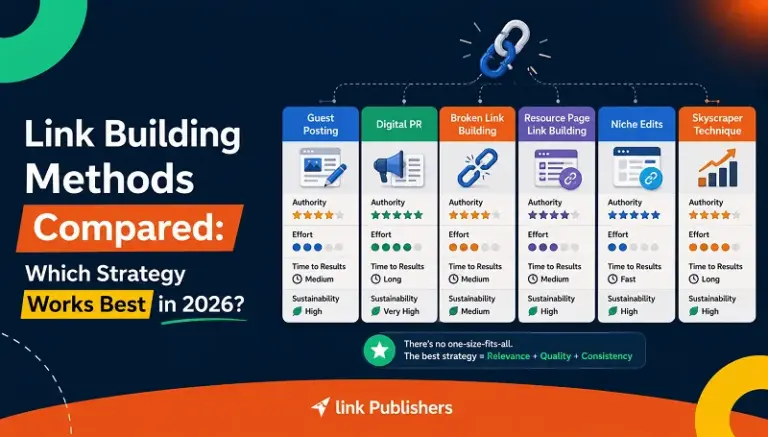
Automated link building has gone through significant changes as 2026 advances. Search engines have honed their capability to identify patterns, making the spray-and-pray techniques of the past totally outdated. Success in the current year relies on precision, filtering, and the capability to simulate human browsing habits through software application. Browse Engine Ranker stays a staple for those who comprehend how to balance volume with relevance. The goal for 2026 is not merely to create more links, however to develop links that browse algorithms consider as natural extensions of a website's growth.
Performance in any major city markets requires a departure from generic setups. Digital online marketers now spend more time on the preliminary setup phase-- identifying high-quality targets and tidying up footprint lists-- than on the real execution. This shift toward quality assurance has stabilized returns on financial investment for tasks that formerly experienced high churn rates. Understanding the mechanics of modern search triggers enables for a more calculated method to automation.
Hardware and Facilities for High-Volume Projects
The technical requirements for running enormous projects have scaled along with search engine complexity. In 2026, a standard personal computer is no longer sufficient for high-thread operations. Professional setups often include devoted servers with multi-core processors and at least 64GB of RAM to handle the memory-intensive jobs of concurrent scraping and publishing. Expertise in Asia Virtual Solutions Promotion offers the foundation required for scaling these tasks without experiencing significant downtime or software crashes.
Proxy management has actually ended up being the most expensive and critical component of the 2026 setup. Datacenter proxies are quickly flagged, leading lots of to change towards residential and mobile turning proxies. While the expense per gigabyte or per proxy is higher, the success rate for submissions on high-authority platforms justifies the expense. Without trusted proxies, the software application spends more time solving captchas for stopped working efforts than really protecting positionings. High-tier jobs often use a hybrid method, using less expensive proxies for preliminary scraping and premium proxies for the final submission stage.
Advanced Filtering in the Competitive Market
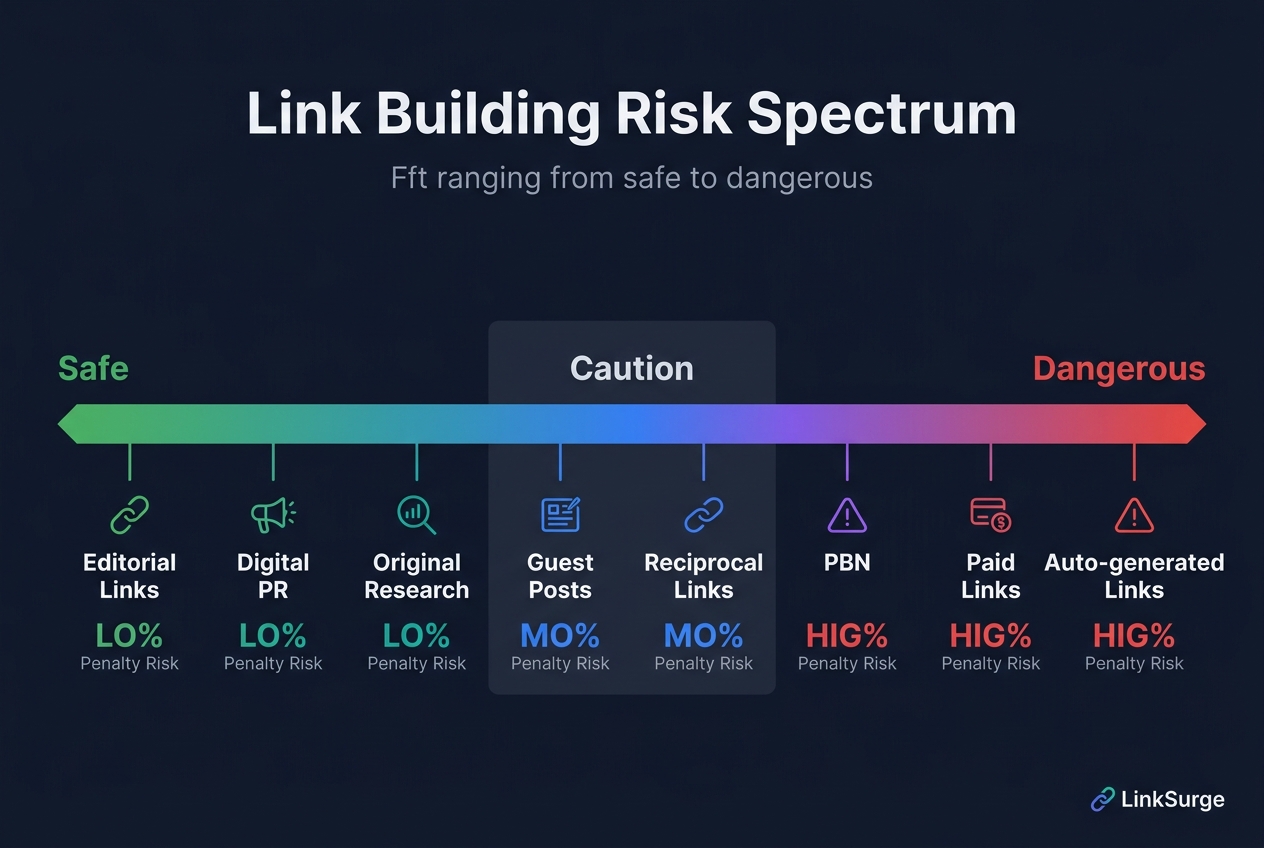
Filtering is the barrier in between an effective campaign and a manual penalty. In 2026, setting rigorous criteria within the software application is compulsory. This consists of domain authority minimums, language filters, and outbound link (OBL) counts. Sites that already have thousands of comments or online forum posts are often neglected, as online search engine have cheapened these "link neighborhoods." Rather, the focus has moved towards discovering more recent, niche-specific sites where a backlink carries more weight.
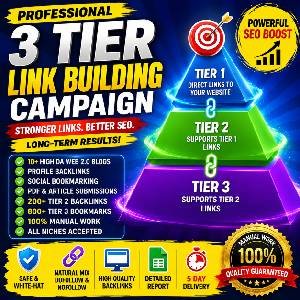
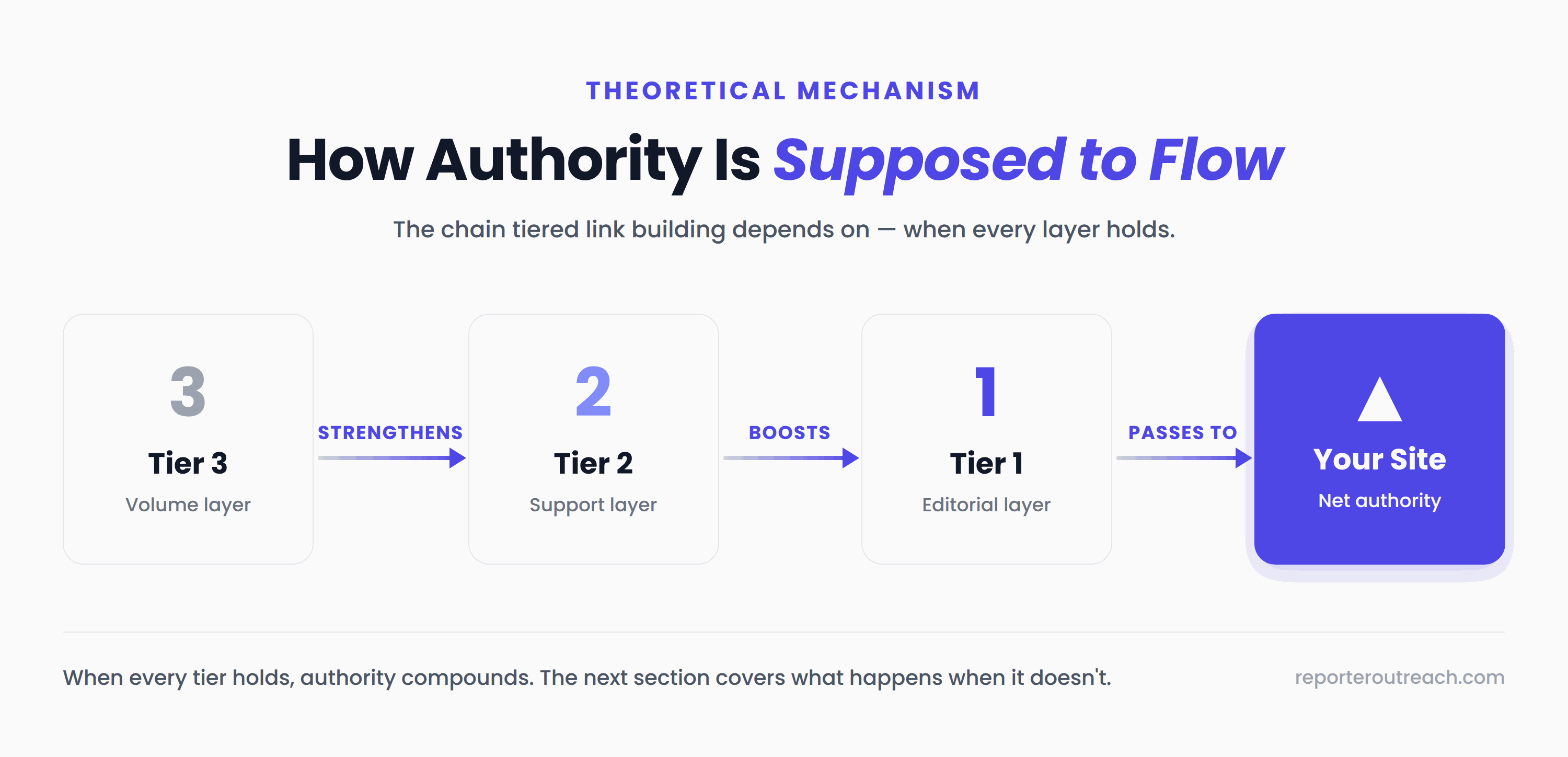
Many practitioners pick Asia Virtual Solutions RSS Promotion Service to manage the technical heavy lifting of tiered link structures. Tiered building-- where Online search engine Ranker points links at existing premium backlinks rather than the main website-- has actually ended up being a basic way to secure the "money website." This approach enables a greater volume of links on the secondary and tertiary levels, which presses authority up through the chain without directly exposing the primary domain to lower-quality sources. It creates a buffer that is essential for long-lasting stability in 2026.
Material Generation for Automated Campaigns
The quality of text used in automated posts has actually improved due to the integration of specialized AI tools. In 2026, spun material that checks out like a random collection of words is immediately strained by spam algorithms. Modern campaigns use API-driven material generators that produce coherent, topically pertinent paragraphs. These tools make sure that the link is surrounded by text that actually provides context to the page it is positioned on.
Relevance is the primary metric for 2026. If a link for a service in a specific region appears on a blog about gardening in a various nation, the value is minimal. Users now configure their software to perform "worldwide" searches just after exhausting "regional" or "specific niche" footprints. This localized focus assists preserve a natural profile that satisfies both manual reviewers and automated bots. Material needs to be varied, utilizing numerous titles, descriptions, and anchor text variations to prevent producing a noticeable footprint.
- Usage of premium, readable material for all tiers.
- Implementation of niche-specific filters to increase topical significance.
- Regular updates to the global blacklist to prevent "hazardous" domains.
- Rotation of anchor text to consist of top quality, naked URL, and generic terms.
Captcha Solving Expenses and ROI for Agencies
Captcha innovation has actually become significantly tough to bypass in 2026. While basic image captchas can be fixed by automated services for a low expense, the advanced interactive puzzles require human-in-the-loop (HITL) services. This adds a layer of recurring cost to every campaign. To preserve a positive ROI, managers should optimize their software application to skip websites with excessively expensive or unsolveable captchas unless the domain authority of that website is incredibly high.
The estimation for ROI in 2026 includes more than simply counting links. It requires tracking the "index rate" of those links. A project that produces 10,000 links however only leads to 100 indexed pages is a failure. Using dedicated indexing services or constructing top quality "buffer" tiers are the 2 most typical methods to make sure that the work performed by Online search engine Ranker really equates into motion in the search engine result. Keeping track of these metrics weekly enables quick adjustments to the method before spending plan is lost on non-indexing platforms.
Keeping Long-Term Lead To the Region
One of the most significant mistakes seen in 2026 is the "set it and forget it" mentality. Online search engine are constantly updating their datasets of recognized footprints. A footprint that operates in January may be entirely burned by April. Continuous scraping of brand-new targets is needed to keep the engine supplied with fresh data. Counting on "verified lists" bought from 3rd parties is a common faster way, however the most effective operators in the local market create their own distinct lists to remain ahead of the curve.
Link speed-- the speed at which new links are developed-- should also be handled carefully. An abrupt spike of 5,000 links for a new site is a red flag. In 2026, the software's internal scheduler is used to drip-feed links over a number of months. This steady development simulates the natural development of a website getting appeal. For established brand names, greater velocities are more secure, however for brand-new projects, a conservative start is generally the better path to sustainable rankings.
Diversifying Engines Beyond Standard Blogs
In 2026, the variety of "engines" or platforms utilized is more crucial than ever. Online search engine Ranker supports dozens of various types, from online forum profiles and guestbooks to image sharing websites and wiki platforms. A profile that consists completely of blog comments is easy to recognize as artificial. A diverse profile that includes a mix of "no-follow" and "do-follow" links from different platform types appears a lot more genuine to ranking algorithms.
- Focus on niche-related online forums to build community-based authority.
- Usage document sharing platforms for high-authority contextual links.
- Include social bookmarking to signify social signals and activity.
- Balance the link profile with a mix of different engine types.
The importance of "no-follow" links must not be ignored. While they do not pass direct "link juice," they are a vital part of a natural link profile. In 2026, a website with 100% "do-follow" links is viewed with suspicion. Smart operators set their tasks to target a natural ratio, usually around 20-30% "no-follow" links, to ensure the profile looks natural under close scrutiny.
Future-Proofing Campaigns for Late 2026
As we look towards the end of 2026, the combination of automation and manual oversight is the winning formula. Simply automated projects are progressively unusual at the top of the search results for competitive terms. Rather, Online Search Engine Ranker is utilized to support and enhance manual outreach efforts. By developing a trustworthy structure of foundation links and second-tier support, the software frees up time for marketers to focus on top-level strategy and relationship building.
The software itself continues to get updates to deal with new types of web security and platform structures. Remaining existing with the current variation is a fundamental requirement, as older variations often deal with the more recent web protocols. Regular upkeep of the software, the proxy list, and the target URLs makes sure that the device remains a practical tool in the search professional's arsenal. While the techniques of 2026 are more demanding than those of previous years, the capacity for scaling growth through smart automation stays significant for those ready to do the work.