Structure Authority through Sophisticated Link Circulation Designs

Modern Authority Metrics in 2026 Automated Link Structure
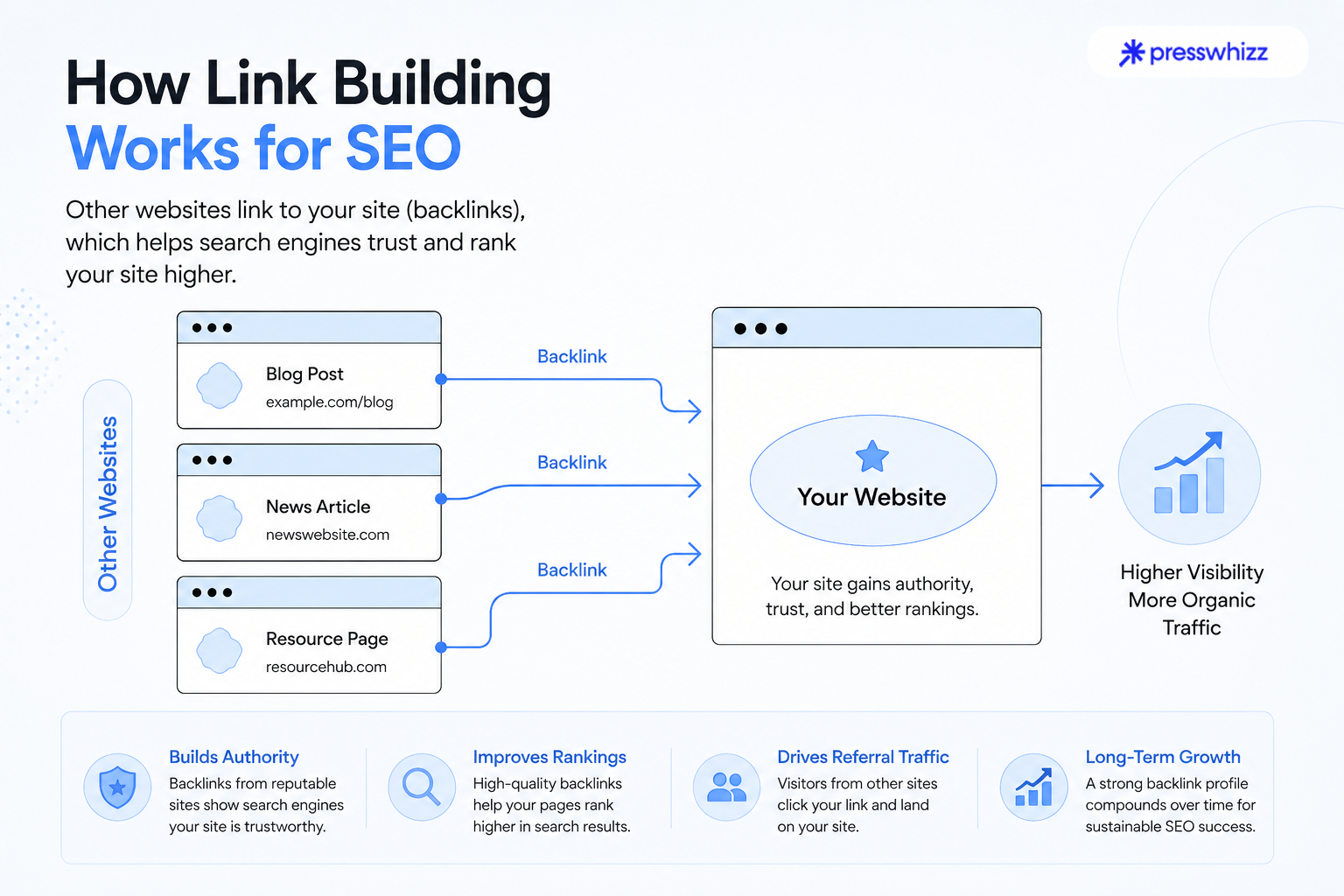
Search algorithms in 2026 have actually progressed to a point where simple quantity no longer moves the needle for competitive rankings. The focus has shifted completely towards the authority and trust signals of the referring domain. When configuring GSA SER for premium results, the first line of defense is the authority filter. Most sophisticated operators now incorporate third-party API secrets to pull real-time data on Domain Score or Domain Authority. Setting a minimum threshold of DR 20 or 30 ensures that the software application ignores the millions of low-value, newly registered domains that offer no SEO value.This shift towards quality demands a tighter control over the worldwide filter settings. In 2026, the cost of low-quality links is not simply an absence of motion, however a prospective algorithmic suppression. Effective campaigns prioritize websites with recognized history. Numerous specialists have seen success by concentrating on GSA SER List Field Notes Notes as a main method for determining targets that in fact pass weight. Filtering by the variety of indexed pages is another tactic. A website with only 5 indexed pages however a high authority rating is typically a red flag for a manipulated ended domain. A healthy website normally shows a steady growth of indexed content gradually.
Refining Material Relevance and Outbound Link Caps
The density of outbound links on a target page is a major indicator of its possible as a "link farm." In the 2026 version of automated link structure, the Outbound Link (OBL) filter is perhaps the most vital setting for keeping a tidy profile. Setting an optimum OBL of 50 or 80 is typical for Tier 1 campaigns. Pages that host numerous remarks or guestbook entries are quickly flagged by contemporary search crawlers. By limiting placements to pages with less existing links, each positioning carries more private power.Contextual significance has actually also seen substantial upgrades in how software analyzes page data. The "need to include" keywords filter in GSA SER permits a surgical technique to site selection. Rather of publishing to any readily available blog, operators specify terms associated to their niche. If a job focuses on professional solutions, the software ought to be instructed to just post on pages where appropriate terms appears in the body text or meta tags. This ensures that the surrounding content supplies a logical topical match for the backlink, which is a requirement for ranking in 2026.
Platform Choice and the Move Away from Legacy Engines
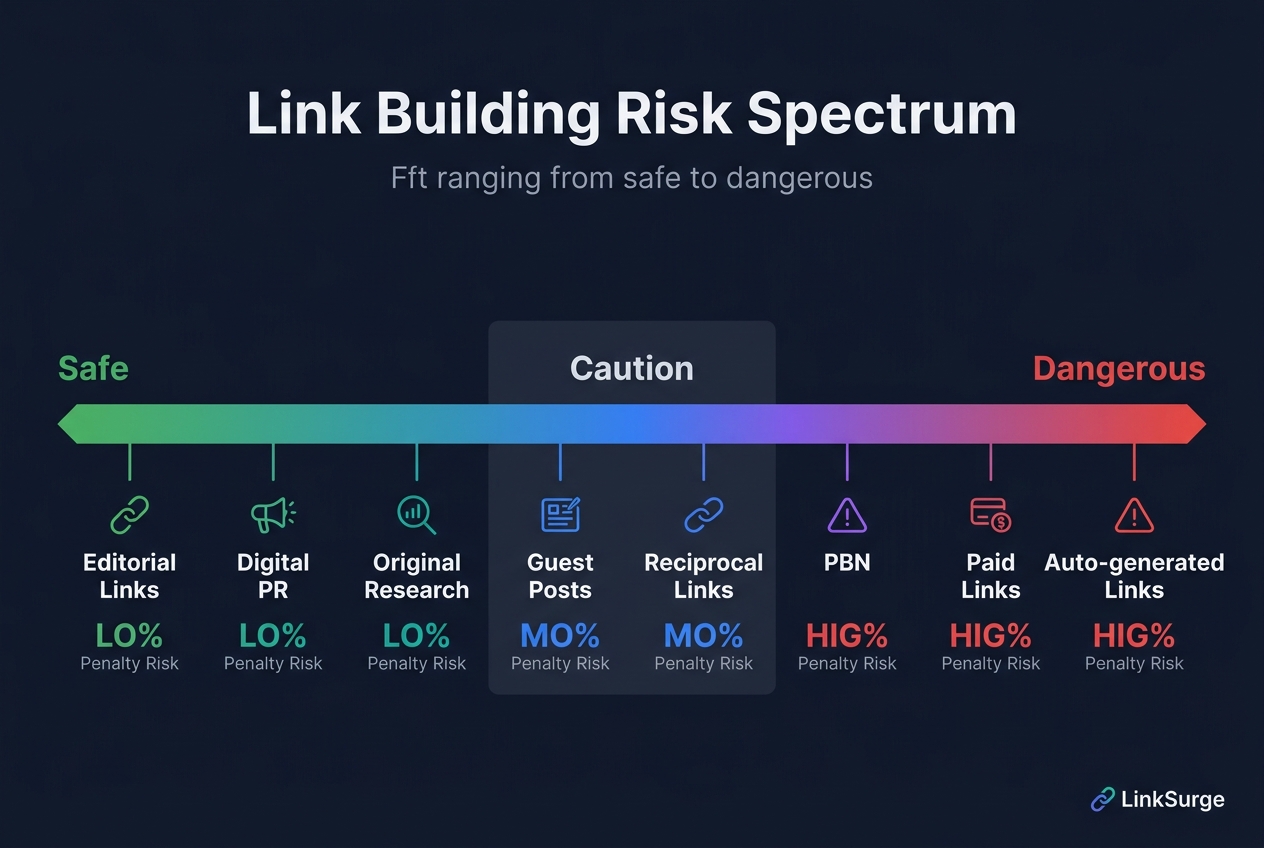
Much of the platforms that were popular a decade earlier have actually ended up being obsolete or greatly protected by innovative AI-driven security. In 2026, guestbooks, image remarks, and low-tier directories are mostly overlooked by significant search engines. The focus has actually transitioned to "Articles," "Social media network," and "Wiki" engines that permit longer-form material and much better formatting. These platforms provide a much better environment for the link to exist naturally.Filtering out specific engines is just as essential as picking the best ones. Numerous users now preserve substantial "Global Blacklists" to prevent domains understood for high spam ratings. This proactive technique prevents the software from even trying to validate a link on a harmful website. The effectiveness gained by avoiding these targets allows the software to spend more time solving complex captchas on high-authority platforms. This method of depending on GSA SER List Field Notes Verified List Guide has actually proven to be a trustworthy way to build a sustainable backlink profile that endures frequent algorithm updates.
Geographic and Language Filtering for Regional Success
For businesses running in particular regions, such as local markets, the geographical filter is a powerful tool. Online search engine in 2026 location a heavy focus on local significance. If a site is targeting customers in specific regions, having backlinks from foreign-language sites in unrelated nations can develop a disconnect in the website's authority profile. GSA SER permits users to filter by Top-Level Domain (TLD) and by the language of the target site.Restricting placements to.com,. net, and region-specific TLDs like.co.uk or.de helps keep a sensible geographic footprint. Language filtering is equally essential. Publishing an English-language short article on a Russian or Chinese site often leads to the link being neglected or the page being de-indexed rapidly. By matching the language of the source and target, the link appears more organic. This level of accuracy is what separates top quality automation from the "blast" methods of the past.
Proxy Management and Bot Detection Avoidance
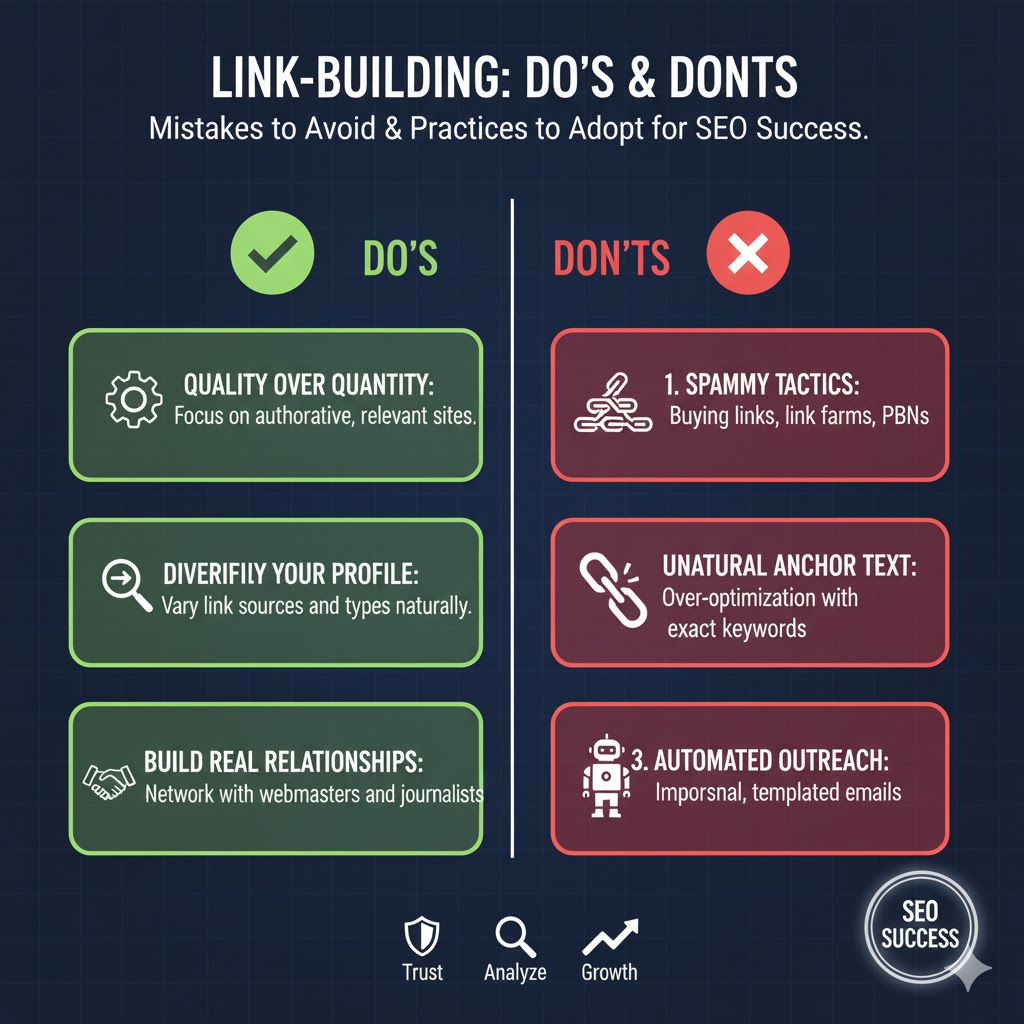
The battle between automated tools and bot detection systems has reached new heights in 2026. Many high-authority sites now utilize behavioral analysis to recognize and obstruct automated submissions. This makes proxy management a core part of the filter and submission strategy. Using residential or high-quality private proxies is no longer optional. The software should be configured to rotate these proxies regularly to avoid setting off rate limitations on target domains.Advanced settings in GSA SER also enable "human-like" interaction, such as random hold-ups between actions and the simulation of mouse motions or scroll events. While these settings decrease the submission speed, they considerably increase the success rate on platforms with rigorous security. Filtering for websites that need complex captcha resolving often causes higher quality placements, as these sites are less most likely to be overwhelmed by lower-quality automatic spam.
Tiered Link Building and Filter Differentiation
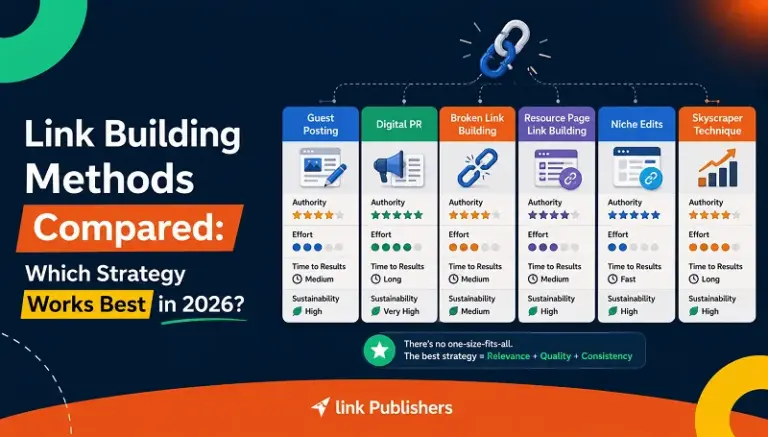
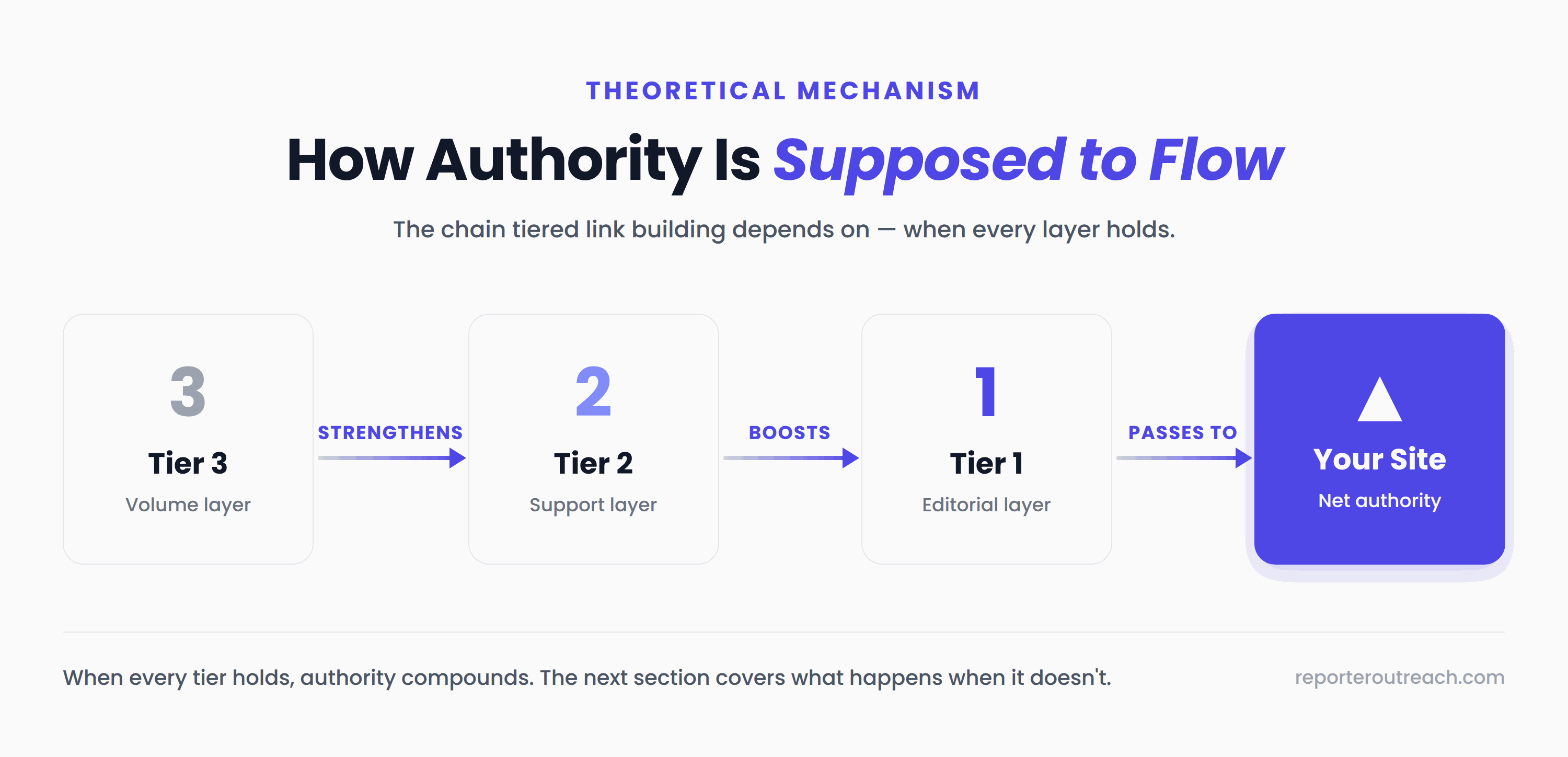
A common error is utilizing the exact same filter settings for all levels of a link-building campaign. In 2026, a tiered method remains effective, however the filters need to reflect the function of each tier. Tier 1 links, which point directly to the main site, require the strictest filters: high authority, low OBL, and ideal language matching. These are the links that should stand up to manual review or deep algorithmic scrutiny.Tier 2 and Tier 3 links, which point to the Tier 1 links, can afford to have actually slightly more unwinded filters. The goal here is to pass authority and motivate spiders to discover the Tier 1 positionings. Even at these lower tiers, preventing entirely hazardous websites is needed. The "skip websites with bad words" filter is a vital tool for keeping the whole link tree tidy. By preserving a clear hierarchy of quality, marketers can build a huge quantity of authority without running the risk of the safety of the main domain.
Tracking and Adjusting Filters in Real-Time
The digital environment modifications quickly, and a filter configuration that works in January 2026 might require modifications by June. Continuous tracking of the confirmed link list is needed. If a certain platform or TLD shows a high rate of link deletion, it ought to be included to the avoid list immediately. GSA SER supplies comprehensive statistics on effective vs. stopped working submissions, which works as a feedback loop for filter optimization.Checking the indexation rate of the confirmed links is another way to determine filter effectiveness. If the software is generating thousands of links but just a small portion are being indexed by search engines, the filters are most likely too broad. Tightening the OBL limit or increasing the minimum authority rating often results in a greater indexation rate. This data-driven technique makes sure that the resources spent on captchas and proxies are producing a measurable roi.
The Function of AI Content in Filter Techniques
The quality of the content utilized in submissions is now a filter in itself. In 2026, online search engine are highly competent at identifying low-quality, AI-spun text that does not have coherence. Integrating premium content generators with GSA SER is a necessity. The software should be set to just publish articles of a certain length, typically 500 words or more, to ensure they are seen as legitimate material rather than thin spam.Using "spun" material still has its place, but the level of readability need to be high. Numerous operators now utilize nested spintax that enables countless distinct variations of a single article. When combined with rigorous platform filters, this top quality material makes the automated links nearly identical from manual placements. The goal is to provide worth to the target site while securing a placement that helps the target website grow in the local market.
Conclusion on Strategic Automation
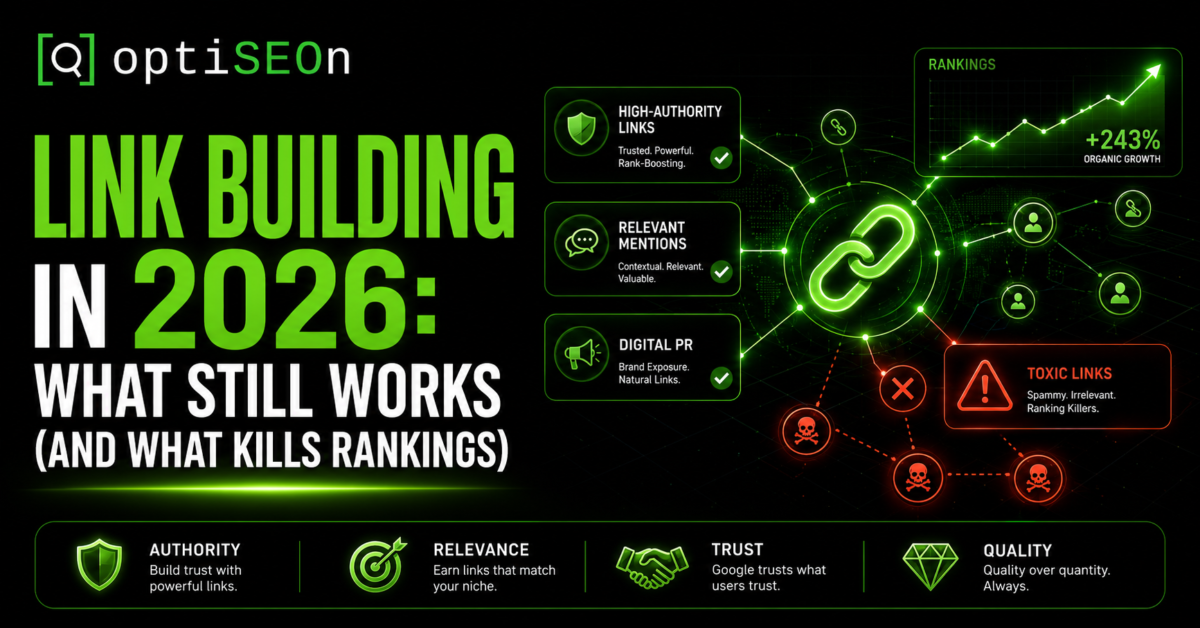
Precision and restraint are the hallmarks of successful automated link structure in 2026. By treating GSA SER as a surgical tool instead of a blunt instrument, it is possible to construct high-authority profiles that drive real outcomes. The mix of authority filters, OBL caps, language matching, and high-quality content develops a synergy that conquers the obstacles of modern search algorithms. The focus must constantly stay on the long-lasting health of the website, making sure that every link put serves a tactical function in the larger SEO strategy.