The Secret to Reducing Cost-Per-Link via Advanced Automation

Modern Authority Metrics in 2026 Automated Link Building
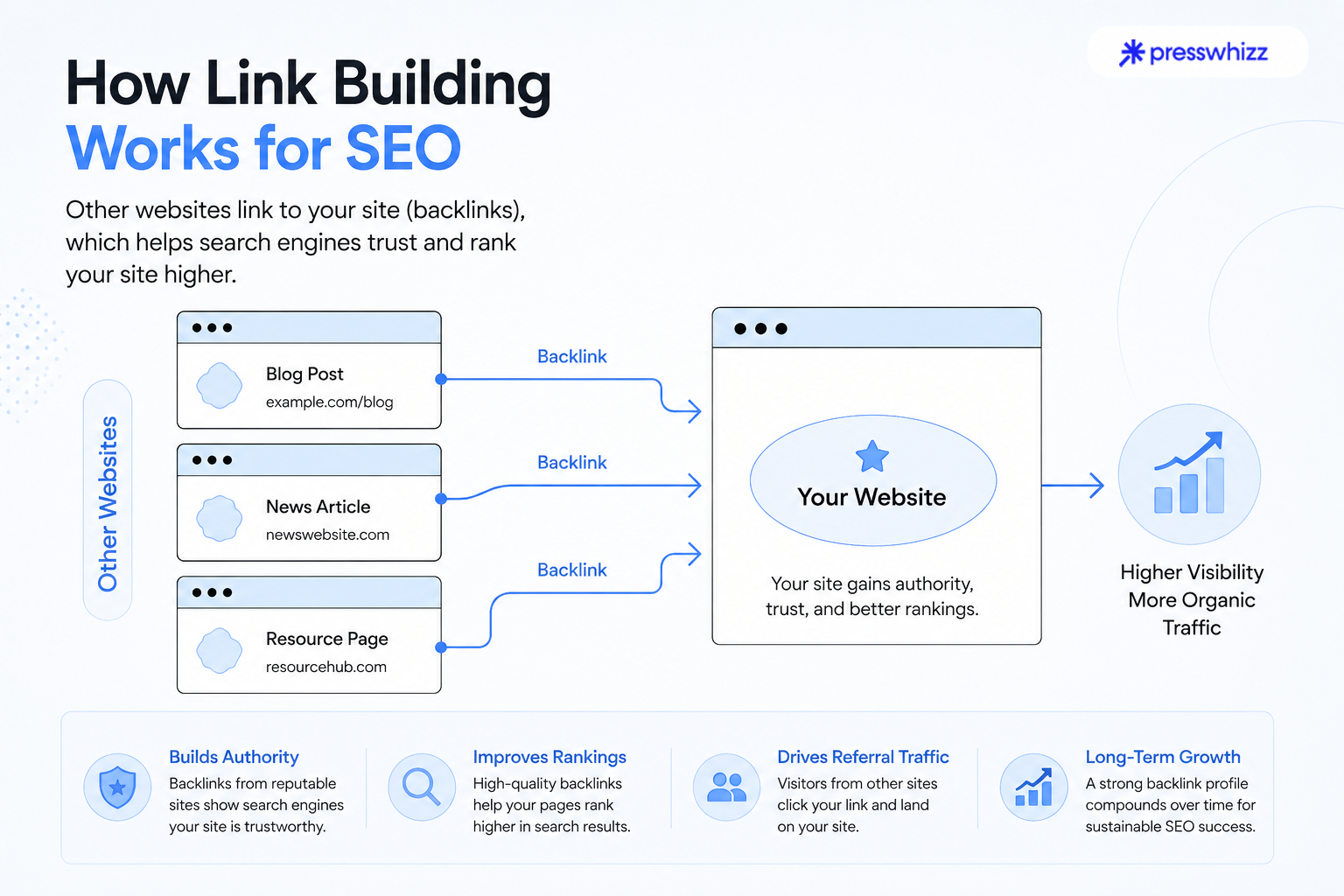
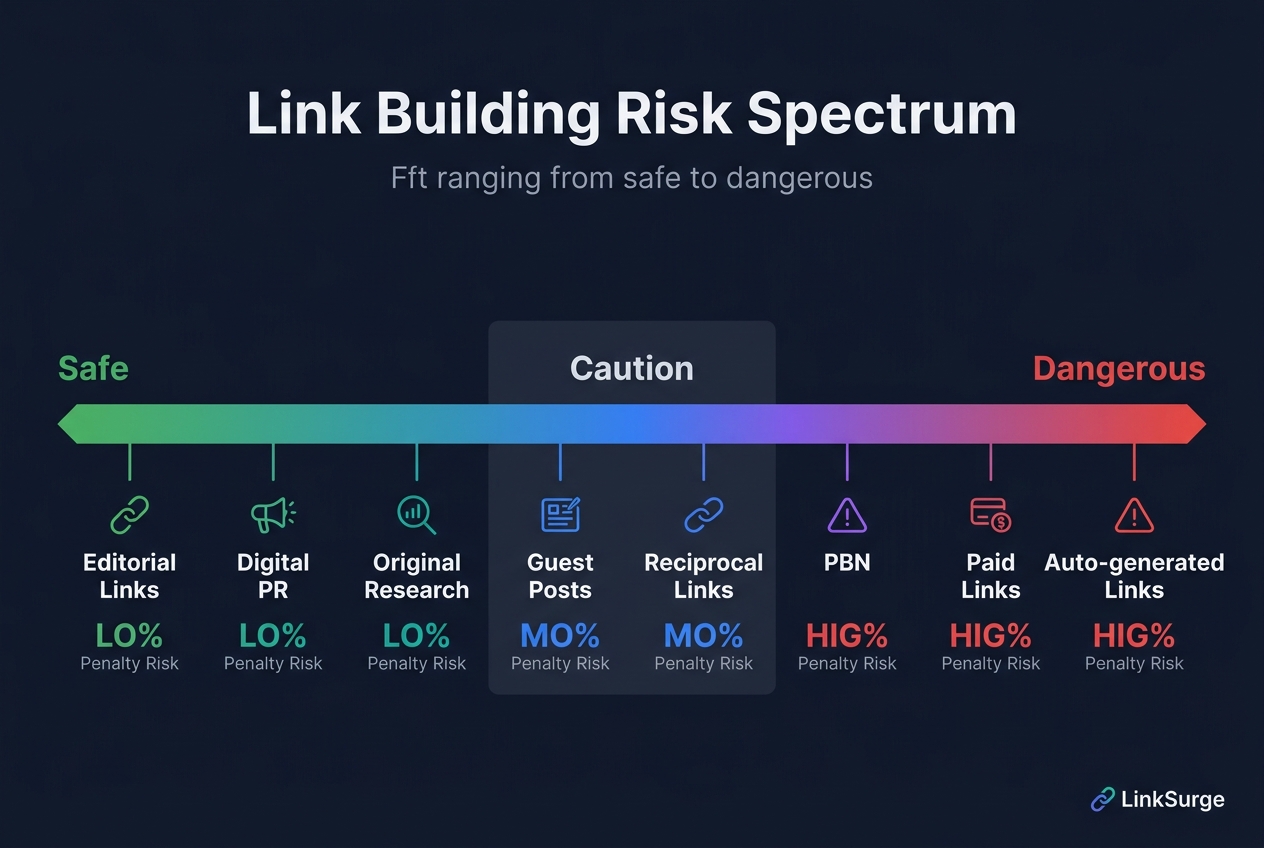
Browse algorithms in 2026 have actually advanced to a point where easy amount no longer moves the needle for competitive rankings. The emphasis has actually shifted totally towards the authority and trust signals of the referring domain. When setting up GSA SER for premium outcomes, the very first line of defense is the authority filter. The majority of advanced operators now integrate third-party API keys to pull real-time data on Domain Score or Domain Authority. Setting a minimum threshold of DR 20 or 30 makes sure that the software application disregards the countless low-value, freshly authorized domains that offer absolutely no SEO value.This shift towards quality requires a tighter control over the global filter settings. In 2026, the cost of low-grade links is not just an absence of motion, but a prospective algorithmic suppression. Effective campaigns focus on sites with recognized history. Numerous specialists have actually seen success by concentrating on Michael Swart as a main approach for identifying targets that in fact pass weight. Filtering by the number of indexed pages is another strategy. A site with only five indexed pages but a high authority score is frequently a red flag for a manipulated expired domain. A healthy site usually shows a steady development of indexed content with time.
Refining Content Importance and Outbound Link Caps
The density of outbound links on a target page is a major sign of its potential as a "link farm." In the 2026 version of automated link structure, the Outbound Link (OBL) filter is perhaps the most vital setting for preserving a clean profile. Setting an optimum OBL of 50 or 80 is common for Tier 1 campaigns. Pages that host numerous remarks or guestbook entries are easily flagged by modern search crawlers. By limiting positionings to pages with fewer existing links, each positioning brings more individual power.Contextual significance has actually likewise seen considerable upgrades in how software interprets page data. The "should consist of" keywords filter in GSA SER enables a surgical approach to site choice. Rather of publishing to any offered blog, operators specify terms associated to their niche. If a task concentrates on professional solutions, the software application must be instructed to only post on pages where appropriate terms appears in the body text or meta tags. This makes sure that the surrounding material provides a rational topical match for the backlink, which is a requirement for ranking in 2026.
Platform Choice and the Move Far From Tradition Engines

A lot of the platforms that were popular a decade earlier have actually become outdated or heavily protected by innovative AI-driven security. In 2026, guestbooks, image remarks, and low-tier directory sites are largely overlooked by significant search engines. The focus has actually transitioned to "Articles," "Social Network," and "Wiki" engines that enable longer-form content and better formatting. These platforms provide a better environment for the link to exist naturally.Filtering out particular engines is simply as crucial as choosing the right ones. Lots of users now keep extensive "Worldwide Blacklists" to avoid domains known for high spam scores. This proactive approach avoids the software from even attempting to verify a link on a hazardous site. The efficiency gotten by skipping these targets allows the software to invest more time fixing complex captchas on high-authority platforms. This technique of depending on Michael Swart Verified Link List Strategy has actually shown to be a dependable way to construct a sustainable backlink profile that makes it through regular algorithm updates.
Geographical and Language Filtering for Regional Success
For businesses operating in specific regions, such as local markets, the geographic filter is a powerful tool. Search engines in 2026 place a heavy focus on regional importance. If a site is targeting customers in specific regions, having backlinks from foreign-language sites in unrelated countries can develop a disconnect in the website's authority profile. GSA SER allows users to filter by Top-Level Domain (TLD) and by the language of the target site.Restricting placements to.com,. internet, and region-specific TLDs like.co.uk or.de assists maintain a sensible geographical footprint. Language filtering is similarly essential. Publishing an English-language post on a Russian or Chinese site often leads to the link being disregarded or the page being de-indexed quickly. By matching the language of the source and target, the link appears more natural. This level of accuracy is what separates premium automation from the "blast" methods of the past.
Proxy Management and Bot Detection Avoidance
The fight in between automatic tools and bot detection systems has actually reached brand-new heights in 2026. A lot of high-authority sites now use behavioral analysis to determine and obstruct automated submissions. This makes proxy management a core part of the filter and submission strategy. Using residential or top quality private proxies is no longer optional. The software needs to be set up to rotate these proxies often to avoid setting off rate limits on target domains.Advanced settings in GSA SER also allow for "human-like" interaction, such as random hold-ups between actions and the simulation of mouse movements or scroll events. While these settings decrease the submission speed, they significantly increase the success rate on platforms with rigorous security. Filtering for sites that require complicated captcha fixing frequently results in higher quality placements, as these websites are less most likely to be overwhelmed by lower-quality automatic spam.
Tiered Link Structure and Filter Differentiation
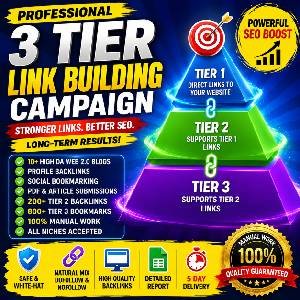
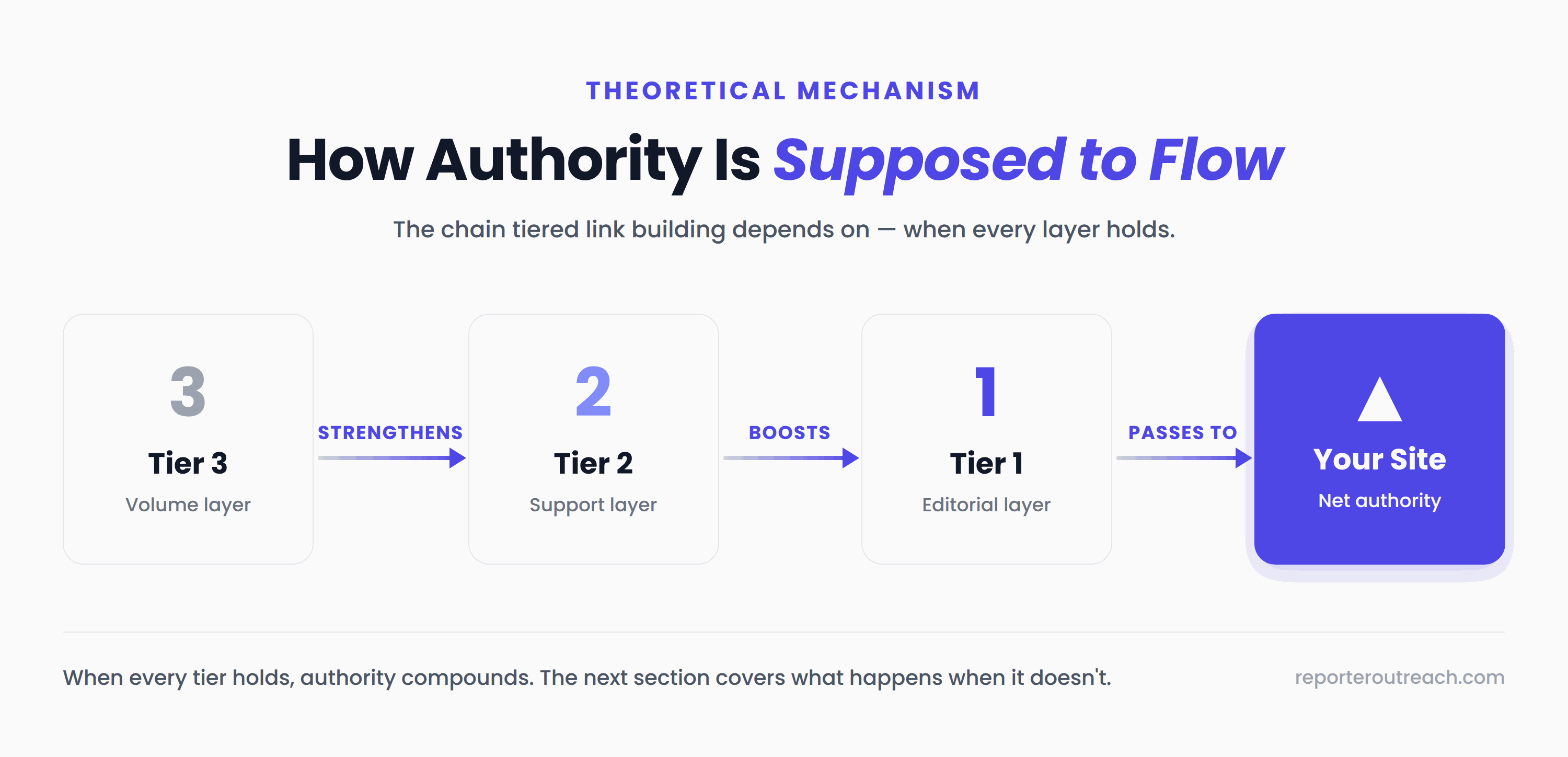
A typical mistake is utilizing the exact same filter settings for all levels of a link-building project. In 2026, a tiered method stays efficient, however the filters should reflect the purpose of each tier. Tier 1 links, which point directly to the primary site, need the strictest filters: high authority, low OBL, and perfect language matching. These are the links that should withstand manual evaluation or deep algorithmic scrutiny.Tier 2 and Tier 3 links, which point to the Tier 1 links, can manage to have slightly more unwinded filters. The goal here is to pass authority and motivate crawlers to discover the Tier 1 placements. Even at these lower tiers, preventing totally toxic websites is required. The "skip sites with bad words" filter is a vital tool for keeping the whole link tree tidy. By preserving a clear hierarchy of quality, online marketers can develop an enormous amount of authority without running the risk of the security of the primary domain.
Monitoring and Changing Filters in Real-Time
The digital environment modifications rapidly, and a filter setup that operates in January 2026 might need adjustments by June. Continuous tracking of the validated link list is needed. If a particular platform or TLD shows a high rate of link removal, it ought to be added to the skip list right away. GSA SER offers in-depth statistics on successful vs. failed submissions, which acts as a feedback loop for filter optimization.Checking the indexation rate of the verified links is another method to gauge filter efficiency. If the software application is producing thousands of links however just a little portion are being indexed by search engines, the filters are likely too broad. Tightening the OBL limitation or increasing the minimum authority rating typically leads to a higher indexation rate. This data-driven approach ensures that the resources invested on captchas and proxies are producing a measurable roi.
The Role of AI Material in Filter Techniques
The quality of the content utilized in submissions is now a filter in itself. In 2026, search engines are extremely proficient at recognizing low-quality, AI-spun text that lacks coherence. Integrating premium material generators with GSA SER is a requirement. The software must be set to just post short articles of a specific length, typically 500 words or more, to ensure they are seen as legitimate material rather than thin spam.Using "spun" content still fits, however the level of readability must be high. Numerous operators now utilize nested spintax that enables countless special variations of a single post. When combined with rigorous platform filters, this premium content makes the automated links almost identical from manual placements. The objective is to provide worth to the target site while securing a positioning that assists the target site grow in the local market.
Conclusion on Strategic Automation
Accuracy and restraint are the hallmarks of effective automated link building in 2026. By dealing with GSA SER as a surgical tool instead of a blunt instrument, it is possible to develop high-authority profiles that drive real results. The combination of authority filters, OBL caps, language matching, and top quality material creates a synergy that gets rid of the obstacles of modern search algorithms. The focus needs to constantly remain on the long-term health of the website, making sure that every link placed serves a tactical function in the larger SEO strategy.