What Rivals Do Not Want You to Learn About Automation

Mechanics of Automated Authority in 2026
Search algorithms in 2026 have actually moved far beyond simple keyword matching or standard backlink counts. The focus now rests on semantic significance and the intent behind every piece of information. This shift has actually forced a significant change in how automated tools are used. GSA Browse Engine Ranker stays a staple for those managing large-scale jobs, however the approach of application has moved from raw volume to a more calculated injection of material. High-speed link building now requires a hidden layer of smart text to bypass modern filters that identify low-effort footprints.The combination of generative models with circulation engines enables for the production of thousands of distinct, contextually mindful articles in seconds. This guarantees that every link placed by GSA SER is surrounded by text that actually makes sense to a crawler. In previous years, spun material frequently lacked logic, making it simple for online search engine to disregard. By 2026, the expense of creating meaningful text has actually dropped so low that running an automated project without high-quality AI material is seen as a waste of resources.
Strategic Material Sourcing for Distribution
Material functions as the vessel for the hyperlink. If the vessel is broken, the link brings no weight. In the current year, successful professionals use local LLMs to feed GSA SER with information that matches the niche of the target site. This implies if the software application finds a blog site about gardening, the AI generates a paragraph specifically about soil pH or seasonal planting before inserting the link. This level of granularity was hard to achieve by hand however is now standard practice for those seeking lead to the 2026 search environment.Using particular information points ends up being a method to signal authenticity. Instead of generic appreciation for a service, the AI can place specific industry terminology or current news patterns. This makes the automated post appear like an authentic contribution to an online forum or a blog site comment area. When these tools are set up correctly, the success rate for link retention increases substantially. Modern platforms are better at identifying patterns, so the irregularity provided by sophisticated AI is the primary defense versus site-wide de-indexing.
Advancement of GSA SER Settings
While the core user interface of GSA SER has actually remained familiar, the way users configure its filters has actually altered. Speed is no longer the only metric of success. Many now prioritize "contextual" positionings over sidebar or profile links. The software is typically set to avoid sites that do not meet a particular limit of topical importance. This selective technique, combined with AI-generated bios and descriptions, develops a much cleaner footprint.The usage of proxies has actually also ended up being more advanced. In 2026, property proxies are used to imitate real user habits, making the automated submissions appear as though they are originating from varied places. When the circulation engine hits a target site, it does not simply blast a link; it hangs around on the page, imitating a read before posting the AI-generated remark. This behavioral simulation is what separates professional-grade automation from fundamental spam.
Managing Tiered Link Structures
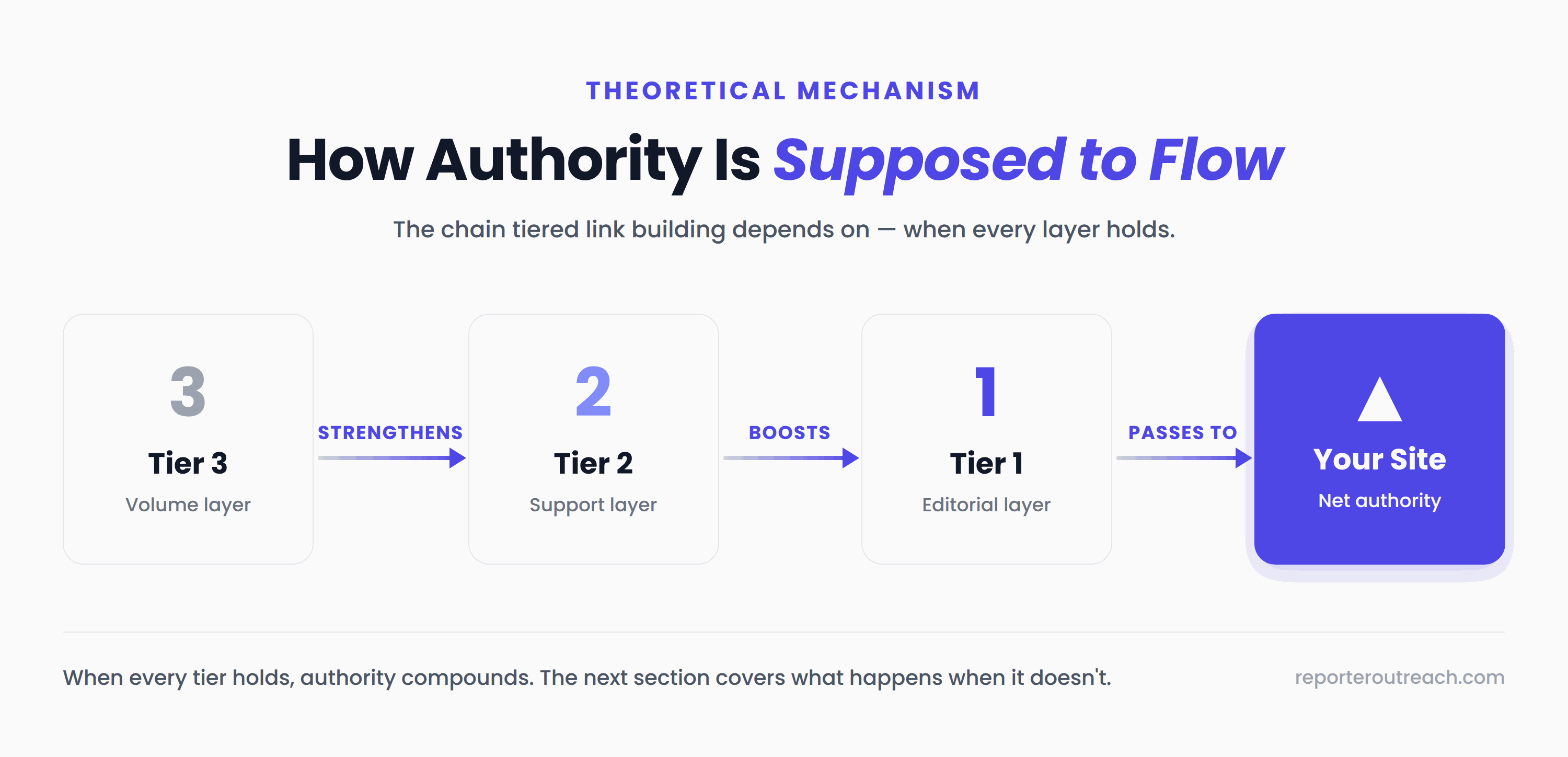
Tiering remains the most effective method to use automated link distribution without risking a main domain. In a standard 2026 setup, the very first tier consists of high-quality, by hand vetted properties. The second and 3rd tiers are where GSA SER does the heavy lifting. These lower tiers serve to push authority toward the middle layer, which then passes a filtered version of that power to the primary site.The appeal of utilizing AI at these lower levels is that it avoids the "link community" from becoming poisonous. Even a tier-three link on a guestbook or an online forum thread can provide value if the surrounding text matters and special. By filling these tiers with varied material, the overall profile looks natural to an algorithm. Professionals frequently see a huge boost in indexing rates when they stop utilizing generic "click here" text and start utilizing AI to compose meaningful anchors and surrounding sentences.
Concentrating on Asia Virtual Solutions Premium for Growth
Among the most efficient ways to see development is through a devoted focus on Asia Virtual Solutions Premium within the automated projects. By ensuring that the anchor text and the surrounding AI material are perfectly lined up, the importance rating of the link boosts. This isn't practically repetition; it has to do with developing a thematic connection in between the source page and the destination.In 2026, search engines weigh the "surrounding 100 words" greatly. If those words explain the subject in information, the link is dealt with as an editorial recommendation instead of a random insertion. This makes the choice of AI prompts vital. Instead of asking an AI to "write a post about SEO," a strategist may ask it to "go over the impact of hidden semantic indexing on local search results page in 2026." This specific timely produces a much greater quality of link juice.
The Necessity of Quality Proxies and Captcha Resolving
No quantity of AI material can conserve a campaign if the software application can not reach the target. The facilities behind GSA SER in 2026 includes multi-layered captcha solving and high-speed property rotation. Captcha innovation has actually advanced, often requiring image recognition and even logic puzzles. Automated solvers have actually kept up, utilizing their own neural networks to understand these difficulties in real-time. Proxies are the lifeline of the operation. If a single IP address posts 5 hundred links in 10 minutes, it will be flagged. Modern circulation strategies involve spreading those posts across countless IPs. This simulates a viral pattern or a real surge in interest. When combined with AI that differs the writing style-- changing in between professional, casual, and curious tones-- the automation becomes almost unnoticeable to standard security protocols.
Content Diversity and Language Processing

Worldwide reach is a major advantage of automated circulation. AI can translate and localize material into dozens of languages, allowing GSA SER to target international domains that are frequently less competitive than English-speaking ones. A campaign targeting Spanish or German online forums can often yield higher returns because the "noise" level is lower.The AI guarantees that the grammar and syntax are ideal for each area. In the past, automated translation was a dead free gift of a bot. Now, the fluency of 2026 models makes it impossible to distinguish from a native speaker. This opens up a large quantity of the web for link placement that was previously too difficult to browse without a regional group.
Rise in Demand for Asia Virtual Solutions Premium Link Lists
The shifting requirements of online search engine have led to an increased demand for Asia Virtual Solutions Premium Link Lists among digital strategists. As the barrier to entry for standard link structure has actually risen, the need for advanced, AI-driven automation has actually ended up being clear. This approach enables the scaling of authority without the massive overhead of manual outreach for every single single link.Strategists who master the intersection of GSA SER and generative content are discovering that they can rank for competitive terms in a portion of the time. The key is balance. It has to do with using the speed of the machine to deal with the recurring tasks while utilizing the intelligence of the AI to preserve the quality standards needed by 2026 search protocols.
Filtering and List Management
A typical error in automated link structure is attempting to post all over. In 2026, the most effective users of GSA SER spend more time on their website lists than on the software itself. They utilize tools to crawl and confirm the "health" of prospective targets, looking for traffic, domain authority, and recent cached versions.The software is then utilized to target just the highest-quality candidates from these lists. This "sniper" approach is a lot more efficient than the "shotgun" method. By feeding the software application a tidy list and top-quality AI material, the resulting link profile is robust and resistant to updates. It refers quality over quantity, even when the amount is still in the thousands.
Future-Proofing the Strategy
Looking ahead, the role of automation will just grow. As search engines begin to utilize AI themselves to assess the web, the "arms race" between home builders and filters will continue. The very best method to future-proof a method is to guarantee that the material being distributed supplies some level of real value.If a link is put in a comment that answers a question or provides a beneficial tip, it is much less likely to be removed by a mediator or neglected by a crawler. This is where the 2026 AI models shine. They can manufacture details and offer real responses, making the automated link a by-product of a useful interaction. This shift from "spamming" to "automated participation" is the trademark of the contemporary period.
Technical Reliability and Server Maintenance
Running GSA SER effectively in 2026 typically needs a devoted server with substantial RAM and CPU power. Since the software is handling both the circulation and the real-time AI generation (if running local designs), the hardware needs are substantial. Many professionals utilize Virtual Personal Servers (VPS) optimized for high threads and fast connectivity.Reliability is essential since these campaigns frequently run 24/7. Keeping track of the "LPM" (Links Per Minute) and the "VPM" (Verified Per Minute) allows the operator to change settings on the fly. If the verification rate drops, it may show a problem with the proxies or a change in the target website's security. Remaining on top of these technical metrics guarantees that the AI content is being provided where it can do the most good.
Integrating Visuals and Advanced Media
While GSA SER is primarily utilized for text-based links, some integrations in 2026 permit the inclusion of AI-generated images or perhaps short video clips. These media aspects can be embedded together with the link to more boost the authenticity of the post. An online forum post with an image relevant to the topic is far more likely to be accepted than a plain block of text.The AI can produce charts, diagrams, or perhaps "user-style" photos that match the context of the discussion. This multi-media approach is ending up being an essential part of the automated toolkit. It produces a "thick" material footprint that signals high effort to the online search engine, even if the entire procedure was triggered by a single click.
Refining the Narrative of Automation
Using GSA SER in 2026 is no longer about "deceiving" the system. It is about working with the system by offering it with the information it desires to see. Search engines desire pertinent, fresh, and engaging material. AI allows automation tools to provide exactly that at a scale that was formerly unimaginable.By concentrating on the strategic execution of these tools, services can build a structure of authority that is both broad and deep. The integration of AI and automatic distribution is not just a trend; it is the sensible advancement of SEO. Those who accept this complexity and concentrate on the quality of their output will discover themselves at the top of the search results for many years to come.